
Machine Shop Marketing
Machine shop marketing has to help the right buyers find your capabilities and send quote-ready inquiries your estimators can actually evaluate. Engineers, sourcing teams, and purchasing managers need to know whether your shop fits the process, material, tolerance, and timeline behind the work.
OuterBox builds SEO, paid media, website strategy, RFQ flow, content, analytics, and sales feedback around that path, not more weak activity for your team to sort through.





Why Machine Shop Marketing Has To Start With Quote Quality
Most machine shops have real capability that is hard to understand from a generic website. A shop may have CNC milling, turning, Swiss turning, EDM, grinding, prototype, or production capacity, but the page still reads like every other supplier: quality work, fast turnaround, experienced team.
That is not enough for a buyer comparing shops under time pressure. A serious buyer may be checking process fit, materials, tolerances, industries served, drawings or CAD expectations, certifications, quantity ranges, delivery windows, quality requirements, and whether the shop can support prototype, short-run, or repeat production work.
If that information is buried or missing, the buyer may keep searching even when your shop is technically a strong fit. The same problem shows up in marketing performance. Broad manufacturing copy can bring broad traffic. Broad paid search can bring hobbyists, unsupported materials, tiny one-offs, brokers, students, job seekers, or jobs that do not fit margin and capacity. Broad reporting can show leads while sales still asks why so many inquiries lack the details needed to quote.
Good marketing for machine shops has to teach and sell at the same time. It should help advice-seeking buyers understand how to improve CNC demand, and it should move qualified buyers toward a serious quote request. The page, campaigns, forms, and reports all need to translate technical capability into buyer-readable proof and sales-usable context.
How Machine Shop Buyers Evaluate A Marketing Partner
Machine shop leaders need to know whether a partner understands quoting, estimating, process-specific search, capability proof, paid-demand filtering, and lead-quality reporting. These tabs walk the questions engineers, procurement, and leadership actually ask.

Quote-Ready RFQ Quality
Will marketing bring inquiries our estimators can actually quote?
An inquiry without material, quantity, tolerance, drawing, or timeline detail can create cleanup instead of progress. Your marketing program should make quote expectations clearer before the form, then capture enough context for sales to decide whether the work fits. That can include better RFQ fields, upload prompts, routing logic, call tracking, and landing pages that explain process or material fit before the buyer contacts you. The goal is not to make every form longer. It is to help qualified buyers send useful details and keep scarce estimating time off work that was never a fit.
CNC and Machining Search Visibility
Can buyers find our exact processes, materials, and industries?
CNC buyers often search by process, material, application, industry, tolerance, certification, and production need. A useful machine shop SEO program needs more than a generic manufacturing search plan. It should help buyers find pages for CNC milling, turning, Swiss turning, EDM, grinding, materials, quality requirements, and the industries your shop can support. Those pages need internal links and clear next steps, not isolated blog posts. When a buyer searches for a specific capability, your site should make supplier fit easier to confirm before a directory, broker, or competitor gets the opportunity.
Machine Shop Capability Credibility
Does the website prove supplier fit before a buyer sends drawings?
Equipment lists matter, but they do not sell by themselves. Buyers need to connect machines to capabilities, tolerances, materials, quality standards, industries, examples, and capacity. Your website should make that connection without inventing certifications or overclaiming experience. If the shop has ISO, AS9100, ITAR, NADCAP, or other standards, those details should appear where they are true and useful. If the shop does not serve a market or material, the page should not imply that it does.
Paid Demand Controlled by Work Fit
Are ads filtered for the work we actually want?
Paid media can capture urgent CNC, machining, repair, prototype, supplier, and production searches. It can also spend quickly on low-fit clicks when campaigns are planned around volume instead of fit. Machine shop paid search needs controls for process, material, geography, work type, margin, capacity, negative keywords, and landing-page intent. A cheaper lead is not better if it asks for a hobby project, unsupported material, or job size that blocks stronger opportunities.
Lead-Quality Reporting for Machine Shops
Will reports show which leads are worth estimating?
Machine shop reporting has to connect marketing activity to sales usefulness. Rankings, sessions, impressions, and form counts do not tell leadership which inquiries became quote-worthy opportunities. Better reporting should show the source, page, process or material need, company context, quote status, and sales feedback where that data is available. That lets the team see which processes deserve more visibility, which campaigns need tighter filters, and which pages help buyers arrive with enough detail to move the conversation forward.
Industrial SEO Built Around Real Buyer Demand
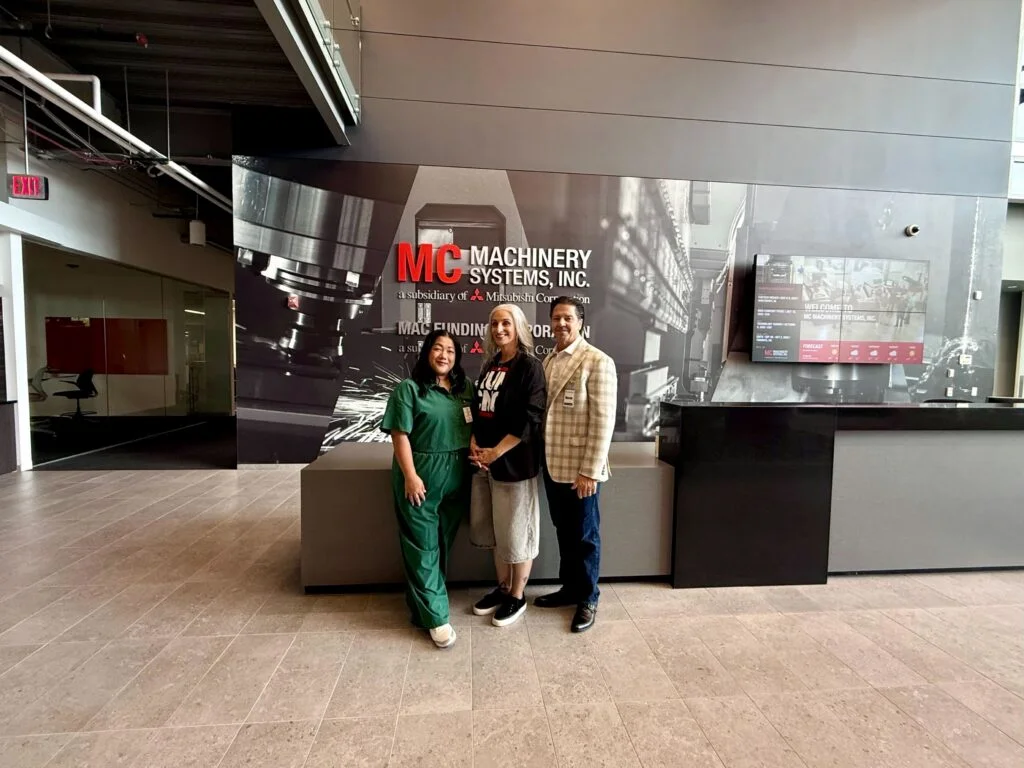
An outdated industrial website can hide real capability from the buyers who matter most. This story shows how an industrial manufacturer turned a modern website and focused SEO into global, qualified lead growth. Machine shops face the same gap. When a site cannot translate CNC capability, materials, and tolerances into search visibility, strong suppliers get passed over. The fix is the same: pages that match how technical buyers search and a path that turns visibility into quote-ready demand.
Adjacent industrial website and SEO story; not exact machine-shop proof.
What Better Machine Shop Marketing Should Produce
Better machine shop marketing should make the buyer path clearer and the sales conversation stronger. Buyers should be able to find relevant capabilities, understand whether the shop fits their process or material need, and submit a quote request with enough context for the team to respond intelligently.
Sales should see where the inquiry came from and whether it fits the business. Leadership should be able to tell which processes, campaigns, pages, and lead sources deserve more investment. The outcome is not only more traffic. It is a marketing system that gives the shop better visibility into quote demand, lead quality, and the work worth pursuing.
Spec-Driven Content That Turned Search Demand Into Requests
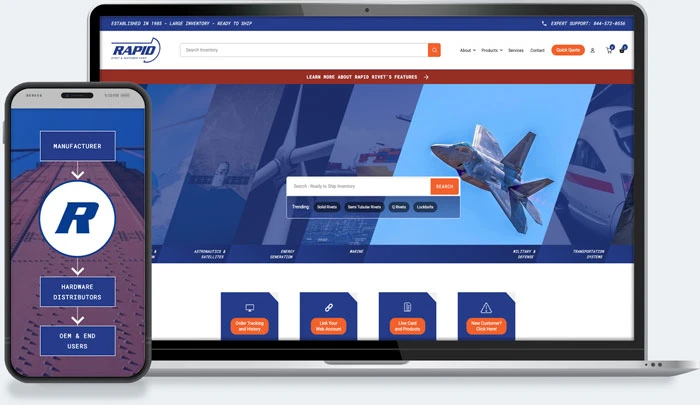
Rapid Rivets & Fasteners is a precision fasteners distributor serving military, aerospace, and commercial buyers. OuterBox built intent-based product content around how buyers searched for brands, specifications, materials, industries, and product types. This is adjacent industrial distributor proof, not exact machine-shop proof, but the mechanics are relevant: technical product demand, spec-driven search, and turning visibility into product requests.
The value for a machine shop is the method. Read the full Rapid Rivets case study to see how search content connected real buyer language and technical detail to product-request intent.

An OuterBox Growth Program Built Around Your Buyers
OuterBox works with B2B, ecommerce, industrial, and complex sales businesses that need marketing to connect with how buyers actually purchase. That matters for machine shops because the work rarely lives in one channel. A search strategy may depend on capability pages. A paid campaign may depend on landing-page fit. A quote form may depend on sales qualification. A report may need to explain which process requests became serious opportunities.
Our role is to bring those pieces into one practical growth program. SEO, paid media, content, CRO, web development, analytics, and sales feedback should help the right buyers find your shop, understand whether you fit, and take the next step with enough context for your team to respond.
20+ Years
Digital Marketing Agency
1000+
Successful Client Partnerships
2M+
Page #1 Google Rankings
300+
USA-Based, In-House Experts
Machine Shop Marketing Strategy Review
Talk With OuterBox About Machine Shop Growth
If your marketing is producing traffic without enough quote-ready opportunities, start with a focused review. OuterBox can look at your process visibility, capability pages, RFQ flow, paid demand, conversion tracking, and sales feedback to identify where better marketing can create stronger opportunities.
Services
"*" indicates required fields
Common Reasons Machine Shop Marketing Falls Short
The most expensive marketing problems are not always obvious in a dashboard. They often show up in sales conversations, estimating queues, and missed process-specific searches.

- Capability content: Build process, material, industry, and certification pages around how buyers search.
- RFQ paths: Improve RFQ paths so qualified buyers know what details to send.
- Paid fit: Plan paid media around fit, work type, geography, capacity, and negative keywords.
- Reporting: Connect analytics to source, page, process need, quote status, and sales feedback.
- Proof honesty: Use adjacent proof honestly and tie it to comparable mechanics.
What Generic Marketing Misses
- Capability content: Broad manufacturing content makes the shop look interchangeable.
- RFQ paths: Forms create more cleanup because they miss drawings, quantities, materials, or timelines.
- Paid fit: Ads chase low-fit CNC curiosity, hobbyist jobs, or unsupported requests.
- Reporting: Reports show lead count but not which inquiries were worth estimating.
- Proof honesty: Proof claims blur industries and make the page less credible.
Machine Shop Marketing Resources

Analytics | 5 min read
Thomas Jefferson once said, “Not all leads are created equal.” I think. Okay, he didn’t say that, but this sentiment holds true. Learning the elements…

Analytics | 5 min read
Whether you own a lead generation website or an eCommerce website , it is essential not only to track how many visitors your site gets,…

Paid Media | 5 min read
Most companies benefit from AI-enhanced PPC bid management systems that can optimize campaigns in real time. These platforms range from simple, rules-based widgets that automatically…

SEO | 16 min read
Whether you handle your search engine marketing in-house or hire an SEO agency to develop and manage your campaign, it is extremely important to be…
How Our Machine Shop Marketing Process Works
A strong program starts with fit, not channels. The process should show which buyers matter, which pages and campaigns can reach them, and how sales will judge lead quality before budget scales around the wrong version of success.

-
Define the jobs worth quoting. Identify the processes, materials, industries, quantities, geographies, certifications, margins, and production realities that make an inquiry useful. The right target is the work your shop can quote, win, and support profitably.
-
Build search paths around real buyer language. Create or improve pages for CNC processes, materials, applications, quality requirements, industries, and RFQ intent so engineers and procurement understand fit before they contact sales.
-
Improve the RFQ and conversion path. Review forms, upload prompts, quote buttons, phone paths, landing pages, and routing so the buyer knows what to send and sales receives enough context to judge the opportunity.
-
Control paid demand before scaling spend. Use negative keywords, campaign segmentation, landing-page fit, and conversion tracking to avoid hobbyists, unsupported work, or low-margin requests while bringing the right opportunities forward.
-
Report on lead quality and next decisions. Connect sources, pages, process or material needs, quote status, and sales feedback so leadership knows which opportunities are improving, not only which channels created activity.
More Machine Shop Marketing Services
Related Machine Shop Marketing Services






Ready to Improve Machine Shop Lead Quality?
Talk with OuterBox about a machine shop marketing plan built around process visibility, capability proof, quote quality, paid demand, and reporting your sales team can use.
"*" indicates required fields
"*" indicates required fields
Frequently Asked Questions About Machine Shop Marketing
What is machine shop marketing?
Machine shop marketing is the strategy used to help CNC, precision machining, job shop, and contract machining buyers find and evaluate a supplier. It can include SEO, paid search, website content, capability pages, RFQ forms, conversion tracking, and reporting. The best programs focus on quote-ready opportunities, not generic traffic.
How do machine shops get more customers online?
Machine shops get more customers online by making their capabilities easier to find and easier to evaluate. That often means building pages for processes, materials, industries, certifications, examples, and quote intent; using paid media with fit controls; and improving the quote path so buyers know what to submit.
What makes machine shop SEO different from general SEO?
Machine shop SEO has to account for technical search behavior. Buyers may search by CNC milling, turning, Swiss turning, material, tolerance, industry, certification, prototype need, production need, or supplier fit. A general SEO plan can miss those paths if it only targets broad manufacturing phrases.
Should a machine shop use PPC?
PPC can help a machine shop reach buyers with urgent quoting needs, but it needs careful controls. Campaigns should filter low-fit traffic, unsupported materials, hobbyist projects, and tiny one-offs before spend scales. Landing pages and conversion tracking should show which inquiries are actually worth estimating.
What should a machine shop website include?
A machine shop website should include clear capability pages, process details, materials, industries served, real certifications where applicable, equipment context, example work or application language, quote instructions, and a practical RFQ path. The site should help the buyer decide whether the shop fits before sales responds.
How should machine shops measure marketing success?
Machine shops should measure more than rankings, sessions, and form count. Useful reporting connects source, page, campaign, process or material need, form detail, quote status, sales feedback, and eventual opportunity quality where available.
Does OuterBox have exact machine shop case studies?
No exact machine-shop case study is approved for this page. The relevant examples come from comparable industrial work, including fastener distribution, precision manufacturing, industrial parts ecommerce, materials manufacturing, and quote-path CRO. Those examples should be labeled honestly and used to support comparable methods, not presented as machine-shop case studies.