
Student Housing Marketing Agency Built for the Leasing Calendar
Student housing marketing has to move with the leasing calendar. Students compare communities, roommates weigh in, parents ask practical questions, and ownership still needs signed leases before the season closes.
OuterBox builds student housing marketing programs around that full path. Your paid search, paid social, SEO, creative, website, and reporting work together so the community stays visible, leads stay qualified, and the leasing team can see which sources are moving toward tours, applications, and leases.





Student Housing Marketing Has To Match The Leasing Calendar
Student housing does not behave like a normal apartment campaign with a flexible move-in window. A missed pre-lease target can create pressure fast, and the usual reaction is more concessions, lower rates, and emergency spend when the campaign should already be narrowing toward high-fit prospects.
The decision path is also more crowded. Students compare amenities, floor plans, price, distance to campus, roommate fit, social proof, and lifestyle. Parents may ask about safety, lease terms, parking, cost, and how quickly the community responds. Roommates can delay the decision even when one student is ready to apply.
That is why a student housing marketing agency has to plan around timing, audience, and measurement together. Paid search may capture the fastest high-intent demand, but social creative and retargeting keep the property in the decision set. SEO keeps campus and off-campus searches active beyond the paid budget. Website and creative work make the community feel current. Attribution helps the team see which sources influence leases instead of celebrating raw lead volume.
The strongest student housing marketing programs do not simply add channels. They connect awareness, intent capture, follow-up, proof, and reporting around the same leasing goal.
How Student Housing Teams Evaluate A Marketing Partner
Student housing buyers move through a few consistent checkpoints before they trust an agency with the leasing season. These tabs walk the questions teams actually weigh while they compare partners.

Can the plan match the season?
Your marketing plan should change as the season changes. Early awareness work has a different job than the fall launch, the spring acceleration, the June-July final push, and August turn. A useful partner knows when the campaign should build visibility, when it should push floor-plan and availability messages, and when the leasing team needs tighter reporting on tours, applications, objections, and signed leases. Without that calendar discipline, the campaign can look active while the property falls behind the pace ownership expected.
Are campaigns reaching students with real housing intent?
Students do not always search like general renters. They look for off-campus housing near a campus, apartments by city or neighborhood, floor-plan types, roommate matching, amenities, walking distance, parking, and parent-friendly answers. Paid search and SEO should account for that language before budget goes to broad apartment terms. The highest-value demand often comes from the details that show a student is actively comparing housing near a specific school, not casually browsing rental options. That distinction keeps budget tied to demand a student community can actually serve.
Will the community stay in the decision set?
Students rarely sign after one ad or one website visit. They compare, ask friends, talk with roommates, check social channels, and look for signs that the community feels real. Your social, retargeting, reviews, resident content, and proof need to keep the property visible while that decision unfolds. The Parker is the clearest local source for this idea: TikTok, paid search, display, retargeting, and SEO supported a campaign that reached 100% occupancy and a 90% pre-lease rate. That repeated visibility matters most when competing communities look similar on price, amenities, or location.
Does the site help students and parents act?
Your website has to do more than look current. Floor plans, pricing language, availability, photos, amenities, maps, parent FAQs, tour paths, applications, chat, phone tracking, and promotion details need to match the season. If the site still shows old renderings, stale concessions, thin floor-plan pages, or weak parent information, paid media and social traffic can leak before the leasing team ever gets a chance to respond. The page experience should make the next action easy for both students and parents, not just look polished.
Can the team see what becomes a lease?
Lead count is not enough. Student housing teams need to know which channels create qualified leads, which campaigns lead to tours, which prospects submit applications, and which sources become signed leases. Loop-style lead-to-lease reporting matters because it helps the team separate activity from outcomes. When reporting stops at clicks and forms, ownership cannot see whether budget is helping the property fill beds or just creating more follow-up work. That context lets the team adjust spend, creative, and follow-up before the season is effectively over.
How Lead-To-Lease Reporting Strengthens Student Housing Marketing
See how OuterBox uses Loop Analytics to uncover the signals that standard dashboards miss. The video focuses on lead scoring, call insights, and marketing data that helps teams understand which inquiries deserve attention. For student housing teams, that same measurement discipline supports the larger question: which campaigns, pages, calls, tours, and applications are actually helping the property move toward signed leases?
How OuterBox uses Loop Analytics to surface lead quality, call insight, and campaign data that can guide better marketing decisions.
What Better Student Housing Marketing Should Produce
Better student housing marketing should make the next leasing decision clearer from both sides. Students should find the community when they search by campus, location, lifestyle, floor plan, amenity, or roommate need. Parents should find answers that reduce hesitation. Leasing teams should receive leads with enough context to follow up quickly.
Ownership should also get a clearer view of progress. The program should show which channels are producing tours, applications, and signed leases, not just which campaigns generated clicks. The practical outcomes are stronger pre-lease momentum, less budget waste, better creative, fewer weak-fit inquiries, and reporting that helps the team adjust before the final push becomes expensive.

Hilltop Auburn Reached 100% Leased Ahead Of Schedule

Student housing leasing momentum for Hilltop Auburn.
Hilltop Auburn needed a student housing marketing program that could make a new community stand out in a competitive Auburn market. We built the digital presence, brand vision, and campaign strategy, then launched work across paid search, Meta, display, retargeting, and SEO. Brand, creative, paid media, and organic activity all pushed the same leasing momentum instead of competing as separate wins.
The result was a campaign that supported faster-than-projected leasing for August 2026 and gave the team a measurable read on paid, website, and organic activity.
Meet OuterBox
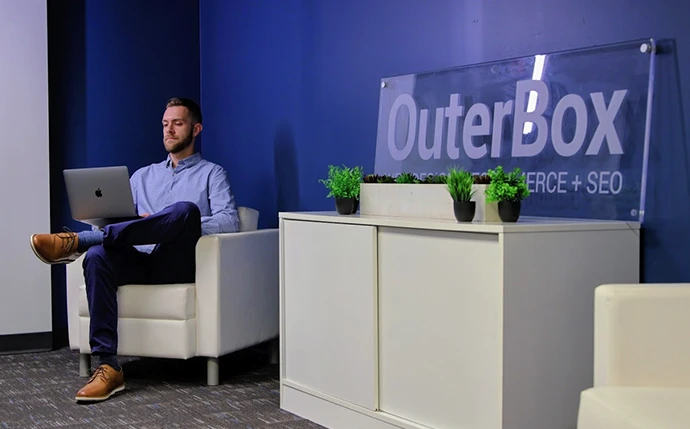
OuterBox brings student housing marketing into a broader digital program without losing the vertical details that matter. The work has to respect the leasing calendar, student behavior, parent questions, creative quality, paid search timing, website readiness, and reporting needs that ownership and PM teams use to judge success.
That connected view matters when the same property needs campaign creative, paid search controls, SEO content, refreshed landing pages, retargeting, analytics, and follow-up reporting at the same time. A disconnected vendor setup can make every channel look busy while the leasing team still lacks a clear path from inquiry to lease.
OuterBox combines deep student housing experience with the SEO, paid media, creative, web, analytics, and conversion resources needed to support larger portfolios. The goal is a student housing marketing program that can defend demand, show proof, and help the team make the next budget decision with better information.
20+ Years
Digital Marketing Agency
1000+
Successful Client Partnerships
2M+
Page #1 Google Rankings
300+
USA-Based, In-House Experts
Student Housing Marketing Review
Request A Student Housing Marketing Strategy Review
Bring OuterBox into the conversation before the next leasing season forces another round of reactive spend. We will review your demand path, campaign mix, website readiness, creative needs, and reporting gaps so the marketing plan lines up with the lease outcomes ownership expects.
Services
"*" indicates required fields
Where Generic Student Housing Marketing Breaks Down
Student housing marketing usually fails in recognizable places. The issue is not always effort. It is often that the effort is not connected to the season, the campus audience, or the reporting a leasing team needs.

- Season planning: The program maps awareness, launch, spring acceleration, final push, and turn before channel budgets are set.
- Search intent: Paid search and SEO target campus, off-campus, floor-plan, amenity, roommate, and parent-intent searches.
- Creative: Creative shows the actual resident experience, community identity, floor plans, amenities, and proof.
- Website freshness: Website and landing pages keep availability, incentives, parent answers, tour paths, and application actions current.
- Reporting: Reporting connects source, lead quality, tours, applications, and leases where the systems allow it.
Generic Student Housing Marketing
- Season planning: The property spends heavily near the end of the season because early awareness and pre-lease timing were not planned.
- Search intent: Campaigns spend on broad apartment clicks that look relevant but do not match student housing demand.
- Creative: Ads reuse gallery-style photos that make the property look interchangeable with every other Class A community.
- Website freshness: Students click through and find stale floor-plan content, old offers, weak photos, or missing answers for parents.
- Reporting: Dashboards stop at clicks and forms, leaving ownership unsure which campaign is helping occupancy.
Student Housing Marketing Resources

Digital Marketing | 5 min read
Learn the top digital marketing strategies student housing brands need ahead of leasing season, from paid search and SEO to social media, AI, and lead-to-lease…
Digital Marketing | 6 min read
Discover the digital marketing strategies helping multifamily properties generate better leads, fill vacancies faster, and maximize occupancy in competitive markets.

AI | 7 min read
In 2026, multifamily marketing is transformed by generative AI, enhancing personalization, efficiency, and engagement. As property managers harness AI’s capabilities, they improve tenant interactions and…
How The Student Housing Marketing Program Comes Together
The strongest student housing programs move in a practical sequence. The point is not to run every channel at once. The point is to build demand early, capture high-intent searches, keep the property visible during comparison, and report on what is moving toward leases.
Creative assets are planned around the leasing calendar, campus context, parent questions, roommate influence, amenities, floor plans, events, and urgency so student housing campaigns feel specific to the property and season.

-
Map The Leasing Calendar And Market Pressure. Your plan starts with season timing, current pre-lease pace, competitive pressure, lease-up status, concessions, floor-plan availability, and ownership goals. The campaign should know what has to happen before the first dollar shifts.
-
Build The Search And Creative Foundation. Your property needs the right campus, off-campus, floor-plan, amenity, parent, and local content before the rush. Paid search, SEO, and AI-ready property information work better when the website answers the questions students and parents already have.
-
Launch Paid Media And Retargeting Around Intent. Your paid campaigns should match the season and audience. Search captures active demand, social and TikTok build visibility, and retargeting keeps the property in front of students who are still comparing options.
-
Improve Website Paths And Leasing Follow-Up. Your landing pages, tour paths, forms, phone tracking, chat, application links, and parent resources should help prospects take the next step. Leasing teams should know which inquiries need urgent follow-up and which objections keep slowing decisions.
-
Close The Lead-To-Lease Reporting Loop. Your weekly view should move past clicks and form fills. The team needs to see which channels are influencing tours, applications, signed leases, cost per lease, and property-level progress so budget changes happen before the final push.
What Makes OuterBox Different For Student Housing

Leasing-Calendar Fluency
Your program reflects the difference between early awareness, fall launch, spring acceleration, June-July urgency, August turn, and September vendor-review timing. That keeps the plan from treating every month like the same media cycle and helps the team prepare before urgency forces reactive spend.

Campus And Off-Campus Search Discipline
Your search strategy accounts for campus names, city and neighborhood modifiers, amenities, walking distance, parking, roommate matching, lease terms, and parent questions. This keeps organic and paid work anchored to the language students and parents use when they are actively comparing communities.

Creative That Looks Like The Community
Your ads and landing pages should make the property feel specific, not copied from a generic apartment campaign. Strong creative helps a community stay recognizable across paid social, TikTok, retargeting, website visits, and leasing-team follow-up.

Connected Channel Planning
Your student housing online marketing plan rolls paid search, paid social, SEO, website, creative, and analytics into one leasing strategy. The relationship between channels is explicit, so campaigns, landing pages, content, and reporting do not drift into separate workstreams.

Lead-To-Lease Measurement
Your reporting should help ownership see which sources are helping the property move from lead to tour, application, and lease. That discipline keeps budget tied to outcomes instead of surface-level activity and helps the team decide what to fund next.

Credible Housing Proof
Student results, adjacent housing experience, company credibility, and channel-specific outcomes stay in their proper lanes. That keeps the page believable while still showing meaningful student housing experience. It also keeps any single case-study result from implying a guarantee or covering every channel, market, or community type.
Related Services
Related Student Housing Marketing Services





Build A Stronger Student Housing Demand Path
Your next student housing marketing investment should make the leasing path clearer, not just add another channel report. Talk with OuterBox about the calendar, campaigns, creative, website paths, and reporting signals that should shape your next season.
"*" indicates required fields
"*" indicates required fields
Student Housing Marketing FAQs
What is student housing marketing?
Student housing marketing is the use of paid search, paid social, SEO, creative, website, retargeting, analytics, and leasing-team follow-up to help student communities attract prospects and convert them into tours, applications, and signed leases. The work has to account for campus search behavior, roommate and parent influence, seasonality, and property-level occupancy goals.
When should student housing marketing start?
The right start depends on the property, market, and lease-up stage, but the plan should be in place well before the final push. Local housing notes identify September as an important leasing launch point for the next cycle, June and July as the final push, August as turn, and September as a common vendor or PMC review window.
What channels work best for student housing?
Paid search is often the fastest high-intent channel during peak leasing because students are actively searching for campus and off-campus housing. Paid social, TikTok, retargeting, SEO, website content, reviews, and email or SMS follow-up all support the larger path. The best mix depends on the market, timeline, budget, and current pre-lease pace.
How does student housing advertising differ from apartment advertising?
Student housing advertising usually has to account for campus proximity, academic-year timing, roommate decisions, parent questions, floor-plan availability, amenities, safety, parking, and lease-term concerns. General apartment campaigns can miss that context when they chase broad rental searches or generic lifestyle creative.
Does SEO matter if paid media drives faster leads?
Yes. Paid media can move quickly, but SEO supports campus, local, amenity, parent, FAQ, and AI-search visibility over time. Stopping SEO because the leasing season is urgent can weaken future visibility and make the property more dependent on paid spend.
How should student housing teams measure marketing?
Student housing teams should measure more than leads. Useful signals include source, cost per qualified lead, tours, applications, signed leases, cost per lease, lead quality, call context, objections, property-level pace, and which messages or pages influence decisions.
How much does student housing marketing cost?
Cost depends on market competition, lease-up status, portfolio size, website condition, creative needs, paid media scope, SEO requirements, reporting setup, and how quickly the property needs results. A strategy review should identify the highest-pressure parts of the leasing path before budget is assigned.
Why choose a student housing marketing agency instead of a general agency?
A student housing marketing agency should understand leasing-season timing, campus and off-campus search behavior, parent and roommate influence, student creative, property-level reporting, and lead-to-lease measurement. A general agency may run campaigns, but the work can miss the details that determine whether a lead becomes a signed lease.